Research Into Cystic Fibrosis-Related Diabetes

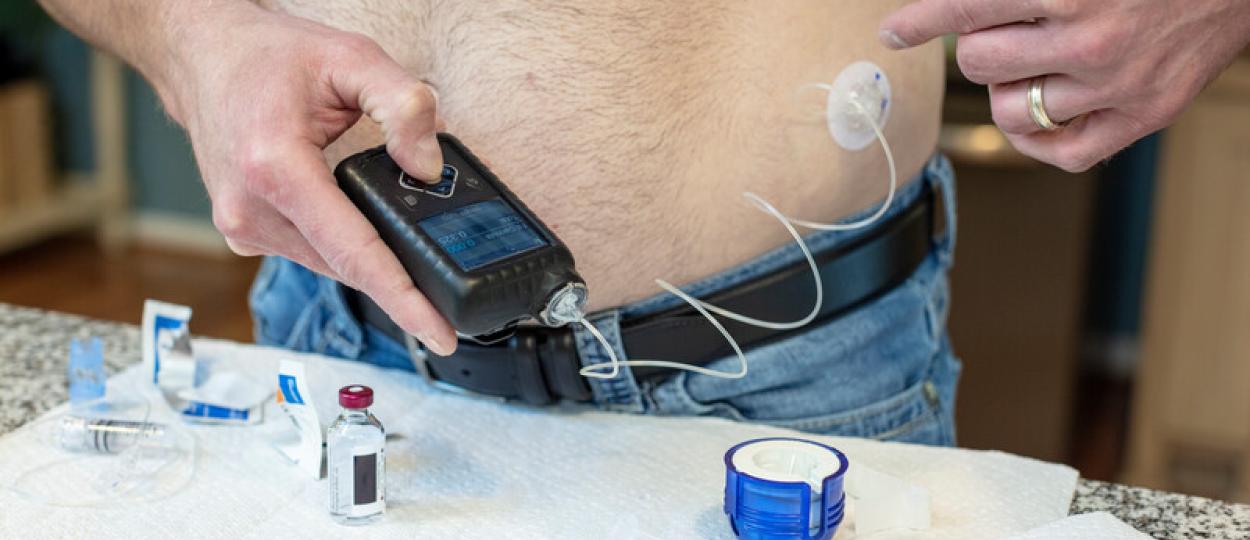
Sydney Willig, an adult with CF, standing over kitchen counter preparing her insulin treatment.
Why Is CFRD a Problem in CF?

Cystic fibrosis-related diabetes (CFRD) shares some features with both Type 1 and Type 2 diabetes. In people with CF, the thick, sticky mucus that is characteristic of the disease causes scarring of the pancreas. This scarring prevents the pancreas from producing normal amounts of insulin; so, like people with Type 1 diabetes, they become insulin deficient. Their pancreas still makes some insulin, but not enough to stay healthy and maintain good nutrition.

Additionally, people with CFRD may not respond to insulin in the right way. Like people with Type 2 diabetes, people with CFRD may become "insulin resistant," especially when sick, taking steroid medication, or pregnant.

What Are the Current Treatments for CFRD?

CFRD can be well managed with insulin, along with monitoring your blood sugar levels, eating a healthy, balanced diet, and staying active.

To meet the growing demand for physicians who are trained to address the unique needs of people with CFRD, we created the Emerging Leaders in CF Endocrinology (EnVision) Program. The EnVision program funds training and mentorship for physicians to develop expertise in the endocrinologic care of people with CF. EnVision members share knowledge and resources to improve care and treatment of CFRD.

For more information about diagnosis, available treatment options, and current care guidelines, visit CFRD.

What Research Is Underway?

Understanding the Disease

In June 2021, we sponsored a scientific workshop along with the National Institute of Diabetes and Digestive and Kidney Diseases (NIDDK), which identified key research priorities to improve the diagnosis and management of CFRD

In response, we're funding a wide range of research to better understand CFRD. Some of the key questions researchers seek to answer include:

  • What are the risk factors associated with developing CFRD?
  • How does the defective CFTR protein contribute to the development of CFRD?
  • What impact do CFTR modulators have on glucose and insulin?

To help answer these and other questions, researchers in the EnVision group have laid the foundation for a new system called the Centralized Endocrine and Diabetes Data Repository-Cystic Fibrosis (CEDaR-CF). This system will bring together health information and samples from people with cystic fibrosis specifically focused on endocrine complications of CF, such as diabetes, bone disease, and short stature. The repository will also include information related to puberty, growth, sexual health, nutrition, body composition, liver, and heart-related risks. By safely sharing this information with researchers, CEDaR-CF can help speed up research and lead to better understanding and care for people with CF.

We are also supporting two clinical trials:

  • BIONIC CF: This study is evaluating the safety and effectiveness of an automated insulin delivery device compared to patients’ usual insulin delivery method. If successful, this approach could simplify management of diabetes and improve glucose control.
  • SPeCTRuM: This observational study will monitor a racially and ethnically diverse group of adolescents and adults with CFRD for diabetes complications, such as retinopathy, neuropathy, and high blood pressure. The aim is to determine the prevalence of these types of complications.
     

New Potential Treatments

During plenary 2 of the 2024 North American Cystic Fibrosis Conference, speakers focused on recent advances in CFRD research, including emerging diabetes technologies and new treatment strategies. 

Related Reading
Share this article
Topics
CF-Related Complications | Research